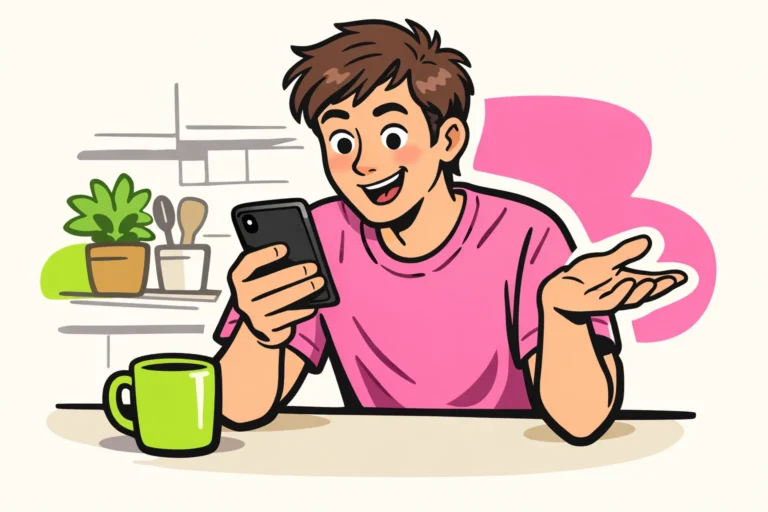
TikTok can be bad for you if you watch for longer than you intended, compare yourself with others or unintentionally share personal information. It becomes a problem if you consequently lose sleep, put off schoolwork or have less contact with others. This does not happen to everyone. Start by looking at how much time you spend in the app and how you feel afterwards.
Below, you can read more about the disadvantages and find steps to adjust your use.
What disadvantages can TikTok have?
TikTok can disrupt your sleep, distract you or make you feel bad. It is not only about how long you watch. What you see and what you put off by watching also matter.
| Possible disadvantage | How do you notice it? | What can you try? |
|---|---|---|
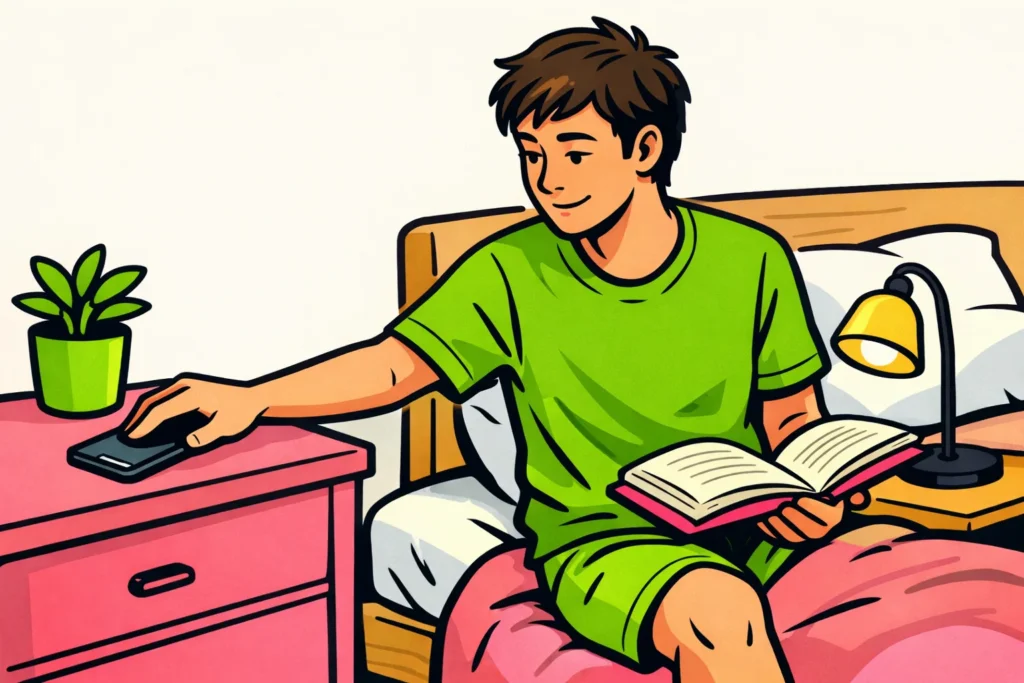
| Less sleep | You stay in bed watching even though you already wanted to sleep. | Put your phone out of reach before going to bed. |
| Distraction | You interrupt homework or a conversation to watch videos. | Put your phone away during homework or the conversation. |
| Comparing yourself with others | After watching videos about appearance or success, you feel less satisfied with yourself. | Stop following accounts that make you feel that way. |
| Misleading information | Someone gives firm health advice without an explanation or source. | Check whether it is accurate before believing, sharing or trying it. |
| Unwanted attention | You receive unpleasant comments or messages. | Limit who is allowed to contact you. |
Not everyone experiences this. A video about a recipe can affect you differently than an hour of watching images that make you feel insecure.
Why can TikTok feel addictive?
The next short video is ready right away. You do not have to search for anything and can continue watching immediately. This makes it easy to postpone your stopping point: just one more, and then another one.
You may also be curious whether the next video is more fun. That can make stopping difficult. It does not automatically mean that you are addicted.
So choose an end point before opening the app. For example, do you want to watch during your tea break? Set a timer in advance and stop when it goes off. That way, you do not have to decide while watching when enough is enough.
Want to learn more about attention and concentration? Read more about whether TikTok is bad for your brain.
Is TikTok bad for young people?
Among young people, sleep, pressure from others and unwanted contact require extra attention. Images of a perfect appearance or a busy social life can make you start comparing yourself with others. Still, you cannot tell how someone is doing based only on their TikTok use.
Are you a parent? Ask what your child watches. For example: “Which videos did you like today?” or “Did you come across anything that made you feel awful?” Watching a video together can clarify more than discussing only the number of minutes.
According to TikTok’s explanation of screen time for teenagers accounts belonging to young people under 18 have a standard daily screen time limit of 60 minutes. Check which limit is set in the app.
That standard limit is not personal health advice. A limit also does not mean your child will automatically stop. Agree together when TikTok is and is not appropriate, such as during homework, meals and around bedtime. Also discuss what you will do if the agreement is not followed once.
For choices about a child account, you can read more about whether TikTok is safe for children.
What does the EU say about the risks of TikTok?
The European Commission published on February 6, 2026 preliminary findings about potentially addictive design on TikTok. This may breach the DSA, European rules for digital services. This was not a final ruling.
An investigation is not the same as a ban. A ruling about how the app is designed also does not mean that every user is addicted.
What privacy risks does TikTok have?
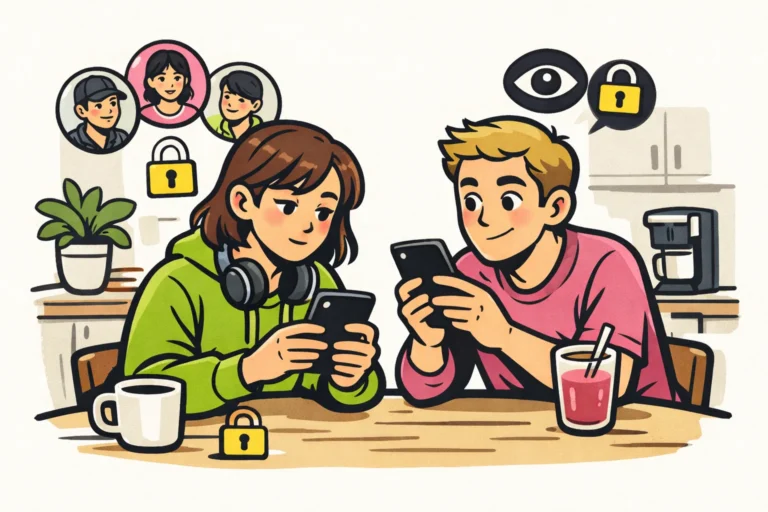
You may share more personal information through TikTok than you intend to. Think of a school name on clothing, an address on a parcel or a recognisable route home. It is also important to check what you allow the app to access.
- Check the background of your video. Are names, addresses or other personal details visible? Check this before posting anything.
- Check who can see your messages. Choose a smaller group if you mainly want to share something with people you know.
- Check the permissions on your phone. For example, check whether TikTok has access to your contacts and location. Turn off access if you do not need it.
- Ask others for permission. Do not casually post recognisable images of friends or classmates.
With a private account, you limit who can watch along. Still, a video is not guaranteed to remain private. Someone who sees the video could, for example, record it with another phone. So do not share information that could get you into trouble if others spread it.
Is all screen time on TikTok bad?
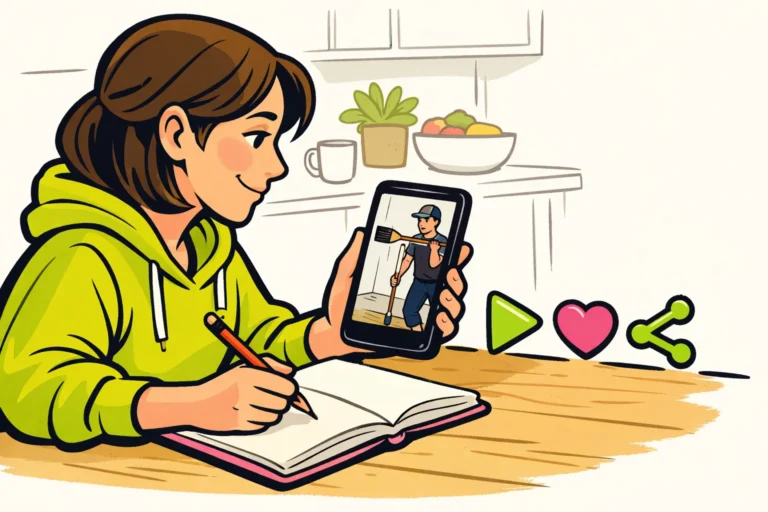
No. TikTok can be fun, and you can learn something or get an idea from it. Think of an explanation of how to play guitar that you then try yourself. That is different from continuing to watch while you are tired and want to go to bed.
These three questions can help you reflect on your own use:
- What does watching do to you? Do you relax, get ideas or instead become restless?
- What do you put off because of it? Think of sleeping, exercising, schoolwork or making plans.
- Can you stop when you want to? Compare how long you intended to watch with how long you actually watched.
A fictional example: you plan 15 minutes of TikTok but watch for 50 minutes. You then watch 50 min 15 = 35 minutes longer than planned. Does this happen often? If so, choose a clear stopping point, such as a timer, instead of only thinking that you should watch less.
How can you use TikTok more safely?
Start with what bothers you most. Do you mainly miss sleep? Focus first on your use around bedtime. You do not have to change everything at once.
- See how much you watch. Look in your phone’s screen time overview to see how many minutes you spend on TikTok. Check several days, not only that one Sunday when you watched a lot.
- Choose one clear agreement. For example, no TikTok in bed or no videos during meals.
- Turn off unnecessary notifications. To do this, go to your phone’s notification settings.
- Adjust what you watch. Stop following accounts that repeatedly make you feel bad. Look for topics you enjoy learning about.
- Check who can see and contact you. Check this in the privacy settings. The choices available there may differ by account.
- See what helps after a week. Are you going to bed earlier? Are you picking up your phone less often? Pay attention not only to minutes, but also to what changes in your day.
Can’t find a setting? Search the help section in the app for the topic, such as privacy or screen time. If you only want a fixed stopping point, you can also use a regular timer.
When is it better to use TikTok less?
Using TikTok less is sensible if you regularly miss sleep or cancel plans. If you are often sadder or more restless after watching, that is also a reason to adjust your use.
For example, try not using TikTok in the evening for a week. Note what time you go to sleep and how you feel the next morning. This can help you see whether anything changes. It is not a medical test.
Do you continue to experience a lot of sadness, anxiety or difficulty stopping? Talk about it with someone you trust or with your family doctor. Simply using TikTok less does not have to resolve these symptoms. If you also publish your own content, our TikTok services includes packages for followers and likes. The product pages show the available quantities and prices.